

Sensory Processing Support
Making sense of sensations
When ordinary things feel like a lot
Some children seek movement, touch or noise. Others avoid sounds, textures, clothing or everyday sensations that feel overwhelming. Both experiences can affect how a child moves through the day.
In daily life
Where It May Show Up
Getting dressed
Seams, tags or the feel of certain clothes may make mornings harder.
Haircuts and grooming
Touch, sound and anticipation may add up quickly.
Busy places
Noisy community spaces may feel difficult to manage.
Mealtimes
Mealtimes bring sounds, smells, textures, and routines all at once. PEAK does not offer feeding therapy.
Looking at the Whole Child, at Home
We consider sensory experiences alongside your child's strengths, routines and environment. Seeing the places where challenges happen may help identify supports that fit real life, not just a therapy session.
What Support May Involve
Occupational therapy may include individualized, play-based activities and practical changes to routines or surroundings. We include parents and caregivers so ideas can be carried into everyday moments in ways that feel manageable.
What This Can Look Like at Different Ages
Babies and Toddlers
A little one may pull away from an unexpected touch or react strongly to a noisy room. We ask what happens during play, dressing, and ordinary time together, rather than treating one reaction as a label.
School-Age Kids
Clothing seams, a busy classroom, or the sounds of an after-school errand may make participation harder. A child may also seek movement after sitting through a school day. The setting matters as much as the sensation.
Teens
An older child may have words for which fabrics, sounds, or crowded places feel difficult. We include that perspective while looking at school routines, independence, and the places the teen actually wants to go.
How We Help at Home
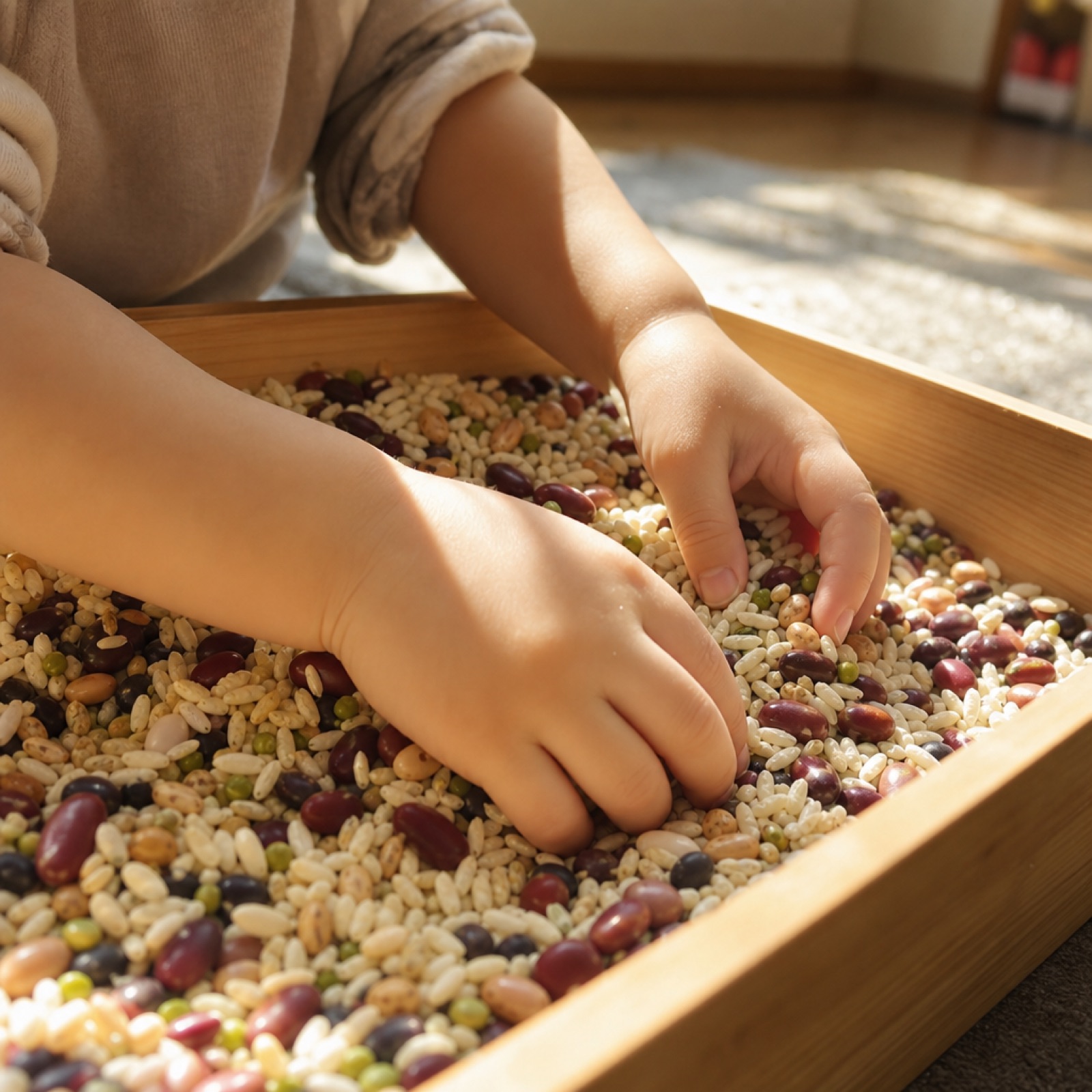
At home, we might notice what happens when a child gets dressed, plays with familiar materials, or moves between quiet and busy rooms. We can explore changes to the environment with parents and choose play-based activities after an evaluation. The aim is to understand which daily tasks are affected, without assuming a sensory reaction explains everything.
We ask what happens before and after a difficult sensory moment, because the same sound or fabric may feel different when a child is tired or rushed. We also ask what feels comfortable, such as a favorite place to play or a routine that goes smoothly. Those details keep a visit tied to the child’s life. Families can describe both the hard mornings and the quiet moments without scoring their child’s reactions.
Read more: What Is Sensory Processing? · When Your Child Is Sensitive to Noise, Clothes, or Textures.
Questions Parents Often Ask
Does disliking clothing tags mean my child has a sensory disorder?
No single clothing preference establishes a diagnosis. We ask how often dressing becomes difficult and what else is happening during the routine before discussing OT support.
Can PEAK work with a child who seeks movement instead of avoiding it?
Yes. We consider both seeking and avoiding sensations, and look at how either pattern affects play, self-care, or school participation. Activities are chosen for the child after evaluation.
What if mealtimes are the hardest sensory moment?
Sounds, smells, and textures can all be part of a mealtime. PEAK does not offer feeding therapy; ask your pediatrician about feeding or medical concerns, and tell us about other daily sensory challenges.
A place to begin
Start with a Free 15-Minute Consultation
Tell us which moments are hardest, like getting dressed or busy places.
Contact PEAK